The Multifaceted World of 'Rejected': Meanings, Usage, and Real-World Examples
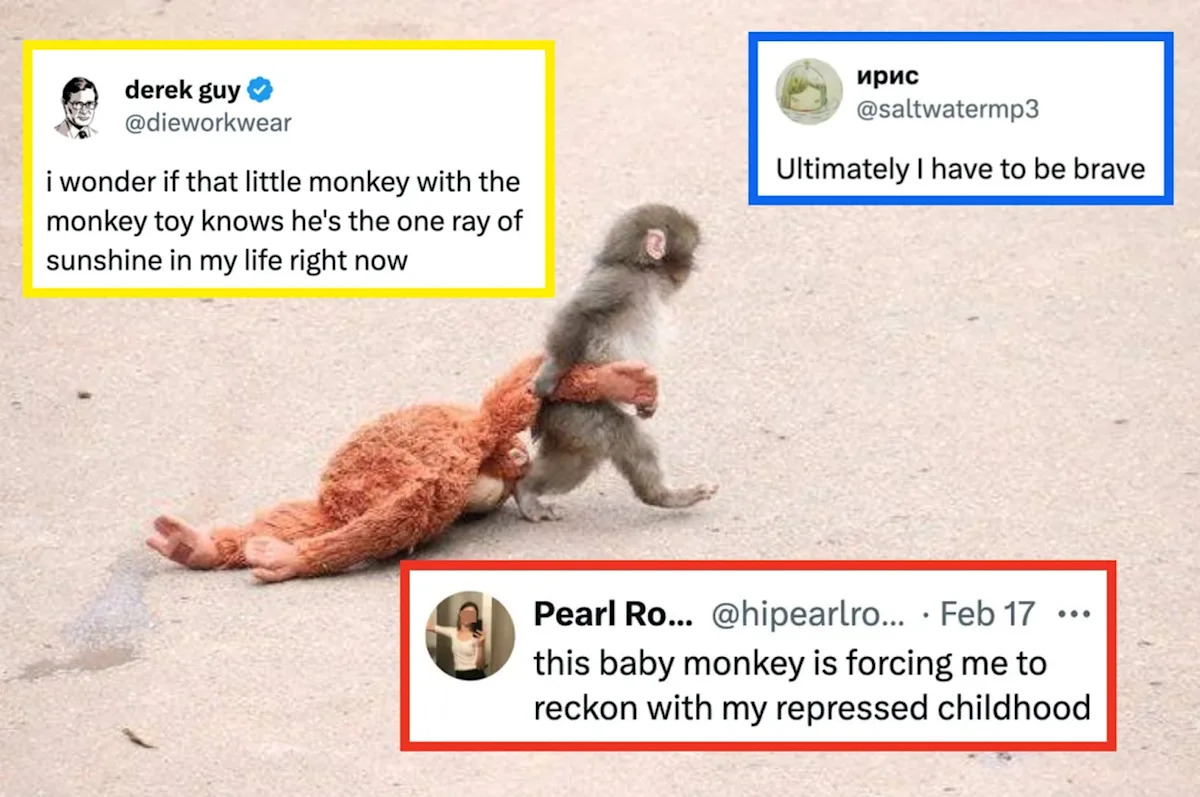
Imagine a bustling toy factory. Hundreds of cheerful monkey plushies parade down the assembly line, destined for happy homes. But then, one particular rejected monkey plushie is pulled aside – perhaps its stitching is loose, an eye is crooked, or its fabric doesn't meet quality standards. This simple image vividly encapsulates the essence of the word 'rejected': something deemed unsuitable, unwanted, or simply not good enough. While the idea of a "rejected monkey plushie" might spark a touch of whimsy or empathy, the word 'rejected' itself carries significant weight, impacting everything from job applications and personal relationships to medical procedures and manufacturing processes.
The term 'rejected' is far more than just a past participle of 'to reject.' It's a word that resonates with finality, often signaling a decision against acceptance, approval, or inclusion. Understanding its various shades of meaning, how it's used in different contexts, and the implications it carries is crucial for anyone navigating the complexities of the English language and the real world it describes. Let's delve deep into the comprehensive definition, usage, and real-life scenarios of this powerful word.
Unpacking the Definitions: What Does 'Rejected' Truly Mean?
At its core, 'rejected' refers to something that has been dismissed, refused, or cast aside. As a past participle of the verb 'to reject,' it describes the state or outcome of an action taken against something or someone. Dictionary definitions consistently point to several key interpretations:
- Refused to Accept or Consider: This is perhaps the most common understanding. When an offer, proposal, or application is rejected, it means it was not accepted or approved.
- Dismissed as Inadequate, Unacceptable, or Faulty: This applies when an item, idea, or person is deemed not to meet certain standards or expectations. Our rejected monkey plushie perfectly illustrates this point – it didn't meet the quality control criteria.
- Cast Aside or Thrown Away: Sometimes 'rejected' implies a physical act of discarding something deemed useless or unwanted.
- Refused to Show Affection or Care: In interpersonal contexts, this meaning carries significant emotional weight, referring to being spurned or disregarded by another person.
- Failure to Accept a Transplant: In a medical context, an organ or tissue is 'rejected' when the recipient's immune system identifies it as foreign and attacks it.
Whether it's a job application, a submitted manuscript, a political proposal, or a product in a factory, the act of rejecting signifies a barrier to entry, an unfavorable judgment, or a lack of suitability. For a deeper dive into the foundational definitions, consider exploring resources like Understanding 'Rejected': Explore its Dictionary Definition.
The Broad Spectrum of Rejection: From Formal to Personal
The versatility of 'rejected' allows it to describe a vast array of situations, each with its own nuances and implications. Understanding these contexts enriches our grasp of the word's full scope.
Formal and Professional Rejection
- Job Applications: "Her application for the marketing position was rejected due to a lack of relevant experience." This is a common and often disheartening experience in the professional world.
- Proposals and Grants: "The research grant proposal was rejected because it didn't align with the foundation's current priorities." Here, the rejection is often based on specific criteria or strategic alignment.
- Manuscripts and Submissions: "The budding author received several rejected manuscripts before finally finding a publisher." This highlights the often-arduous path to creative success.
- Legal Appeals: "The defendant's appeal was rejected by the higher court." This signifies a legal decision upholding a previous judgment.
Personal and Social Rejection
Perhaps the most emotionally charged uses of the word, personal rejection can deeply impact an individual's self-esteem and well-being.
- Romantic Overtures: "He felt utterly dejected after his confession of love was gently rejected." This is a classic scenario of unrequited affection.
- Friendship and Social Groups: "As a new student, she often felt rejected by the established cliques." This speaks to the pain of exclusion.
- Parental Rejection: In severe cases, a child might feel rejected by their parents, leading to significant psychological distress.
Product and Quality Rejection
This category is where our initial image comes full circle. In manufacturing and retail, items are frequently rejected for practical reasons.
- Manufacturing Defects: "Hundreds of products were rejected from the batch due to a critical design flaw." This ensures quality control and consumer safety.
- Consumer Choice: A customer might 'reject' a product in a store, simply choosing not to buy it because it doesn't meet their aesthetic or functional preferences. This is where our particular rejected monkey plushie might end up, not necessarily due to a flaw, but simply not being chosen by a shopper.
- Returns and Refunds: "The faulty appliance was rejected by the customer and returned for a full refund." Here, the rejection occurs post-purchase.
These examples illustrate that 'rejected' can signify anything from a logical, impersonal assessment to a deeply personal and emotional experience. For a comprehensive overview, consider Rejected Explained: A Comprehensive Guide to Its Definition.
Navigating Rejection: Practical Tips and Insights
While the word 'rejected' often carries a negative connotation, experiencing rejection is an inevitable part of life. Learning to cope with it and even leverage it for growth is a vital skill.
Coping with Personal and Social Rejection
The emotional impact of being rejected can be profound. Here are some strategies:
- Acknowledge Your Feelings: It's okay to feel sadness, anger, or disappointment. Suppressing these emotions can be counterproductive.
- Don't Personalize Everything: Often, rejection isn't about your inherent worth. In a job context, it might be about fit; in a social context, it could be about circumstances. Remember that our rejected monkey plushie wasn't necessarily "bad," just not chosen or didn't meet a specific standard.
- Seek Support: Talk to trusted friends, family, or a mental health professional.
- Learn and Grow: Reflect on what happened. Was there anything you could have done differently? If not, accept it and move on.
- Reinforce Self-Worth: Engage in activities you enjoy, practice self-care, and remind yourself of your strengths and value.
Learning from Formal Rejection
In professional and academic settings, rejection can be a powerful catalyst for improvement.
- Request Feedback: If possible, ask for constructive criticism. Why was your proposal rejected? What could be improved?
- Analyze and Adapt: Use the feedback to refine your approach. If your job application was rejected due to a weak resume, work on enhancing it. If a manuscript was rejected, revise and resubmit.
- Persistence Pays Off: Many successful individuals faced numerous rejections before achieving their goals. View each 'no' as a step closer to a 'yes.'
Understanding Product Rejection (and what it teaches us)
The rejection of a product, like our flawed monkey plushie, serves as a crucial feedback mechanism in manufacturing and design. It teaches us about:
- Quality Control: The necessity of rigorous standards to ensure consumer satisfaction and safety.
- Design Improvement: Rejection can highlight flaws that need addressing in future iterations.
- Market Demand: A product might be 'rejected' by consumers if it doesn't meet their needs or preferences, prompting companies to innovate.
English Examples in Context
To further illustrate the practical use of 'rejected,' let's look at a few more examples:
- "The immune system rejected the transplanted kidney, requiring further medical intervention." (Medical context)
- "Despite the team's best efforts, their innovative concept was ultimately rejected by the investors." (Business/Innovation context)
- "She felt completely rejected after her friends left her out of their plans for the weekend." (Social/Personal context)
- "The quality control manager found a batch of toys that had to be rejected due to minor aesthetic imperfections, including a particular rejected monkey plushie with mismatched eyes." (Manufacturing/Product context, reinforcing our main keyword)
- "His theories, once widely rejected, are now gaining traction in scientific circles." (Intellectual/Historical context)
These examples showcase the word's flexibility and the diverse range of scenarios it can describe, always centering on the idea of not being accepted, approved, or deemed suitable.
Conclusion
The word 'rejected' is a powerful descriptor in the English language, signifying a refusal, dismissal, or a state of being deemed unacceptable. From the simple image of a rejected monkey plushie that didn't quite make the cut, to the complex emotional landscape of personal rejection or the rigorous standards of professional applications, its meaning is clear yet multifaceted. Understanding its nuances, whether in formal communication or personal reflection, allows us to better comprehend the world around us and equip ourselves to navigate its inevitable challenges. By recognizing rejection as a part of life's tapestry, rather than an endpoint, we can learn, adapt, and ultimately find pathways to acceptance and success.